Now Accepting CDCP! Pay Less for Your Smile – Schedule Today – Limited Spots Available!
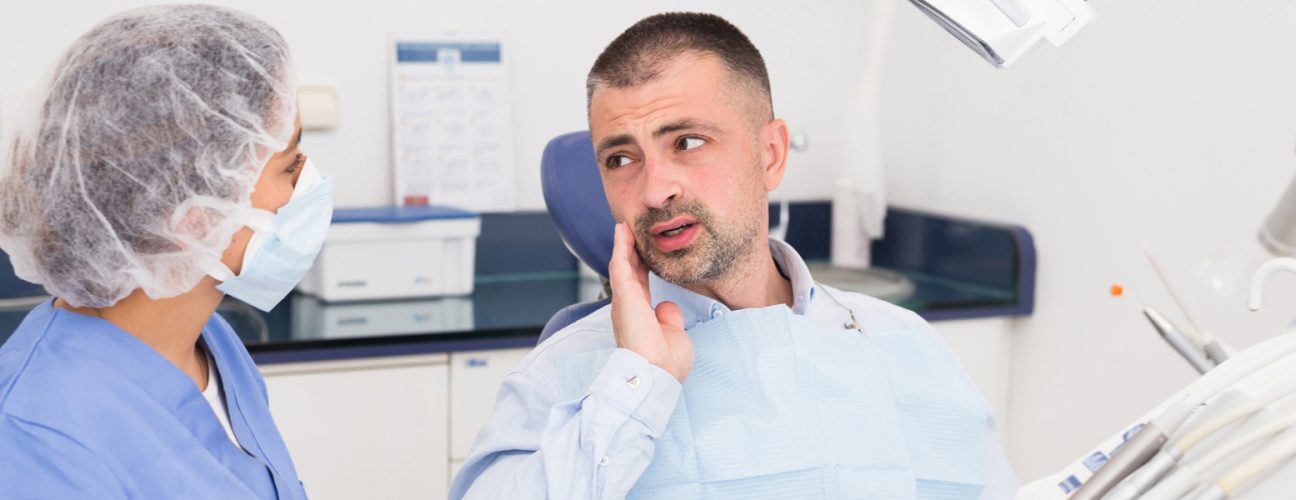
Pain in Upper and Lower Teeth on One Side: When to See a Dentist
March 1, 2026Experiencing pain in upper and lower teeth on one side can be unsettling, especially when it appears suddenly or worsens over time. This pain often feels sharper or deeper than typical tooth sensitivity and may interfere with chewing or speaking. Although the discomfort may seem limited to one area, it can originate from several dental or oral health conditions that require professional evaluation. Identifying the cause of one-sided tooth pain early is important for proper treatment.
One-sided tooth pain commonly persists without professional dental treatment.
Common Causes of Pain in Upper and Lower Teeth on One Side
One-sided tooth pain often occurs when a problem affects a specific tooth or area of the mouth. Several dental and oral health conditions can cause pain on one side of the mouth.
Dental decay or infection
A deep cavity or infection in a single tooth can cause pain that radiates to nearby upper or lower teeth on the same side. As decay deepens, it can irritate the tooth nerve and cause ongoing pain.
Gum disease or localised inflammation
Inflamed gum tissue around a group of teeth can cause tenderness and aching that feels concentrated on one side. In more advanced cases, infection beneath the gums may contribute to pressure or discomfort when biting.
Cracked or damaged teeth
Small fractures or cracks may not be visible but can trigger sharp pain during chewing or when exposed to hot or cold temperatures. This discomfort is often limited to the affected side.
Sinus-related pressure
Upper back teeth are located close to the sinus cavities. Sinus congestion or infection can sometimes create pressure that feels like dental pain, particularly in the upper teeth, and may extend to the lower teeth on the same side.
Jaw or bite-related strain
Uneven bite forces, clenching, or grinding can place excess pressure on certain teeth. Over time, this strain may result in soreness or sensitivity isolated to one side of the mouth.
Nerve irritation
Irritation of facial nerves can sometimes cause pain that feels similar to tooth pain. This type of discomfort may feel sudden, sharp, or electric and often requires careful assessment to rule out dental causes.
A professional dental evaluation helps distinguish between overlapping causes of one-sided tooth pain.
A visit to a dentist in Markham can help determine whether the issue is dental, periodontal, or related to surrounding structures.
Symptoms That Mean You Should See a Dentist Immediately
While mild sensitivity may be temporary, certain symptoms warrant prompt dental care.
Persistent or worsening pain
A dental professional should evaluate tooth pain that persists or worsens over several days.
Swelling in the face or gums
Visible swelling, especially when accompanied by pain, can signal an abscess or spreading infection that requires timely care.
Pain when biting or chewing
Discomfort from pressure may indicate a cracked tooth, advanced decay, or an infection beneath the surface.
Fever or general discomfort
Symptoms such as fever, fatigue, or feeling generally unwell may suggest that an oral infection is affecting overall health.
Suddenly, severe pain
Unexpected, intense tooth pain often warrants immediate attention, and emergency dentistry in Markham, ON, can provide timely care to reduce complications.
Prompt dental evaluation may help prevent the need for more extensive treatment.
Long-Term Solutions to Prevent Pain from Returning
Once the cause of one-sided tooth pain is identified and treated, preventive care plays an important role in avoiding recurrence.
Address underlying dental issues
Treating cavities, gum disease, or damaged teeth promptly helps prevent pain from spreading to surrounding teeth. Follow-up care ensures healing progresses as expected.
Maintain consistent oral hygiene.
Daily brushing and flossing support gum health and help prevent decay that could lead to future discomfort. Proper cleaning also reduces the risk of localised infection.
Manage clenching or grinding.
If bite strain or grinding contributes to pain, protective measures such as night guards may help reduce pressure on affected teeth.
Monitor sinus and overall health.
Managing sinus congestion and related conditions may help reduce pressure-related tooth pain, especially in the upper teeth.
Attend regular dental visits.
Routine check-ups allow early detection of changes that might otherwise go unnoticed. Identifying problems early often leads to simpler, more effective treatment.
Final Thoughts
Having the area examined by a dental professional helps determine the right course of care. Timely treatment and consistent preventive care can help manage symptoms and lower the risk of recurring pain—an approach supported by the team at New Delhi Dental.